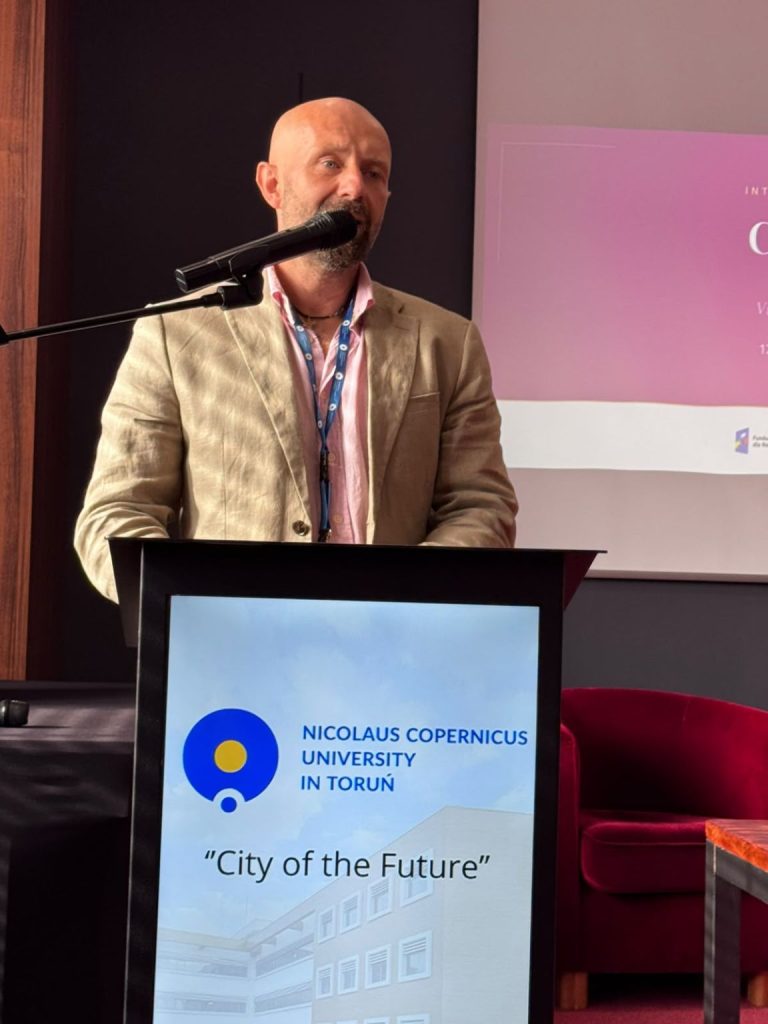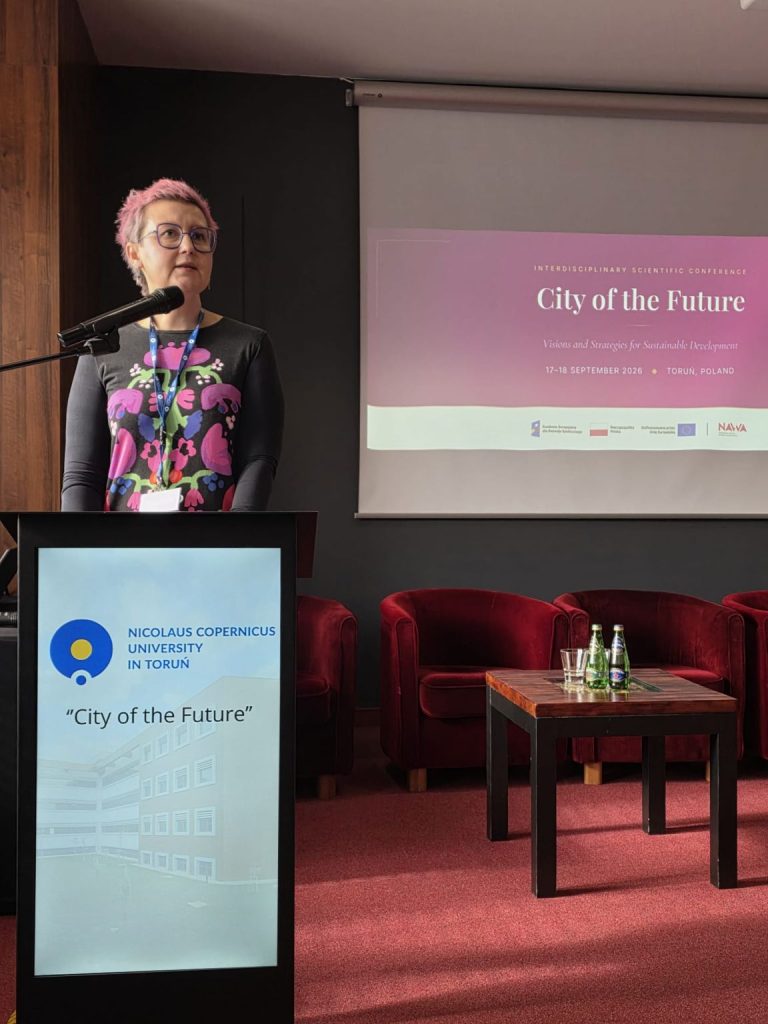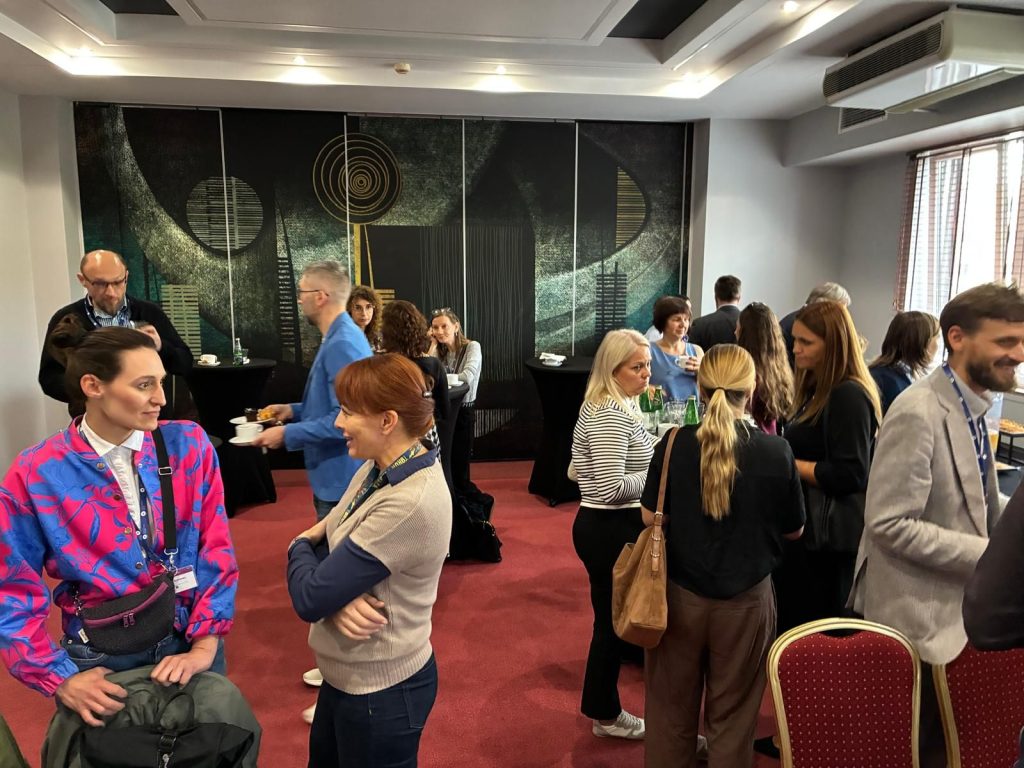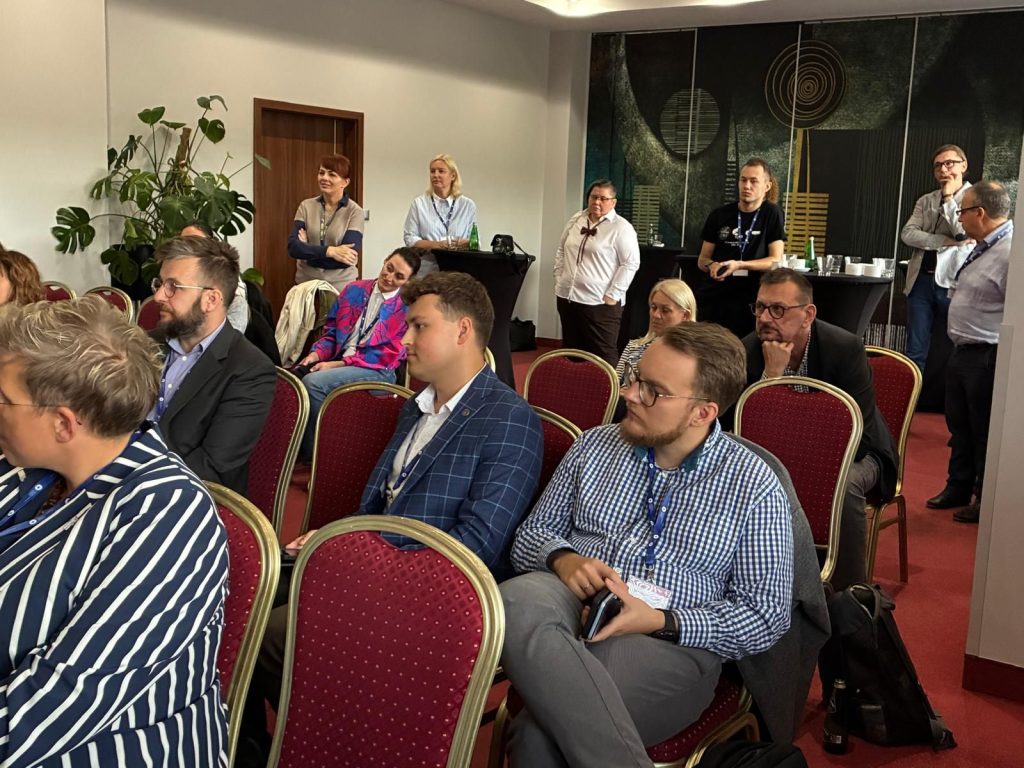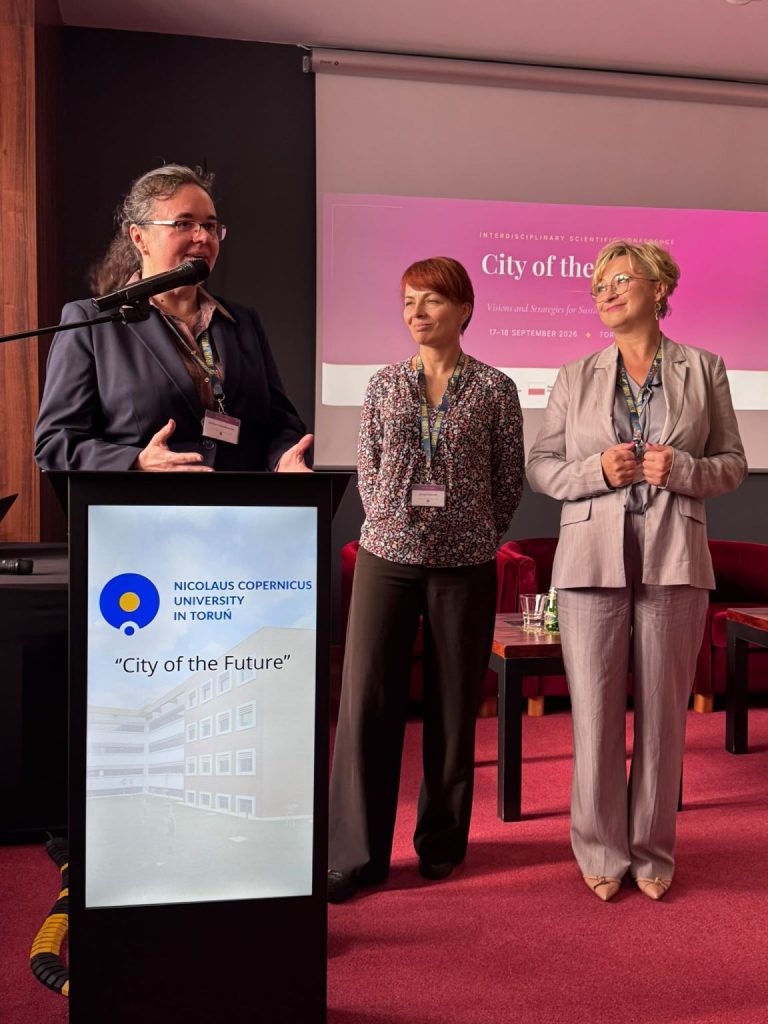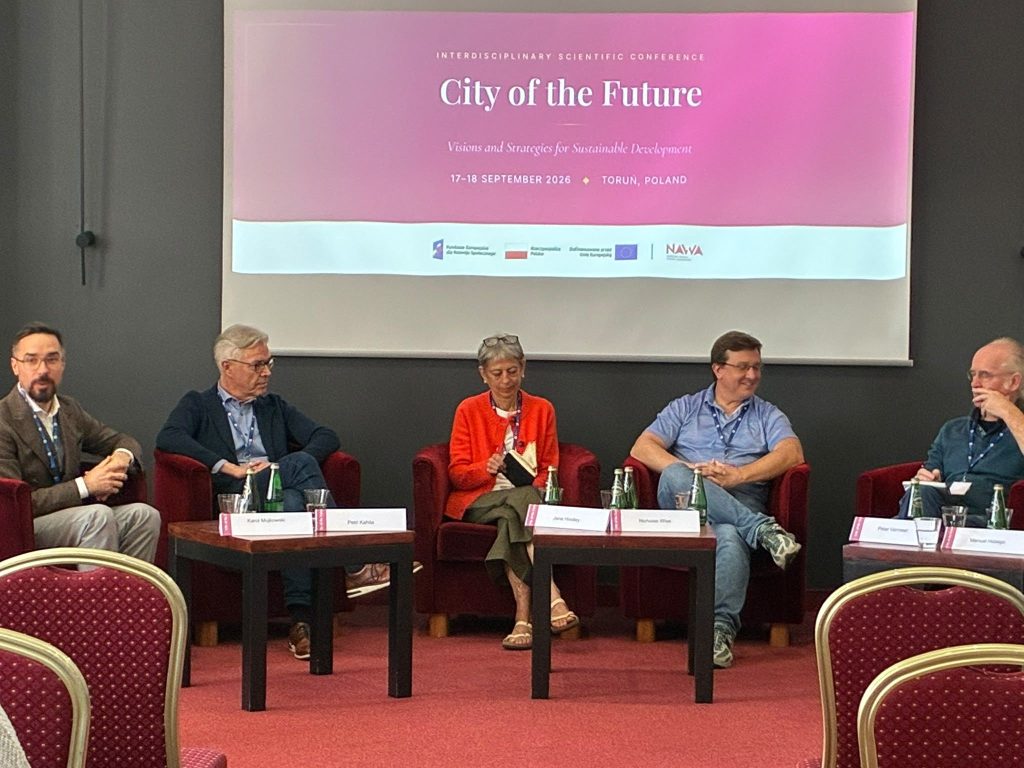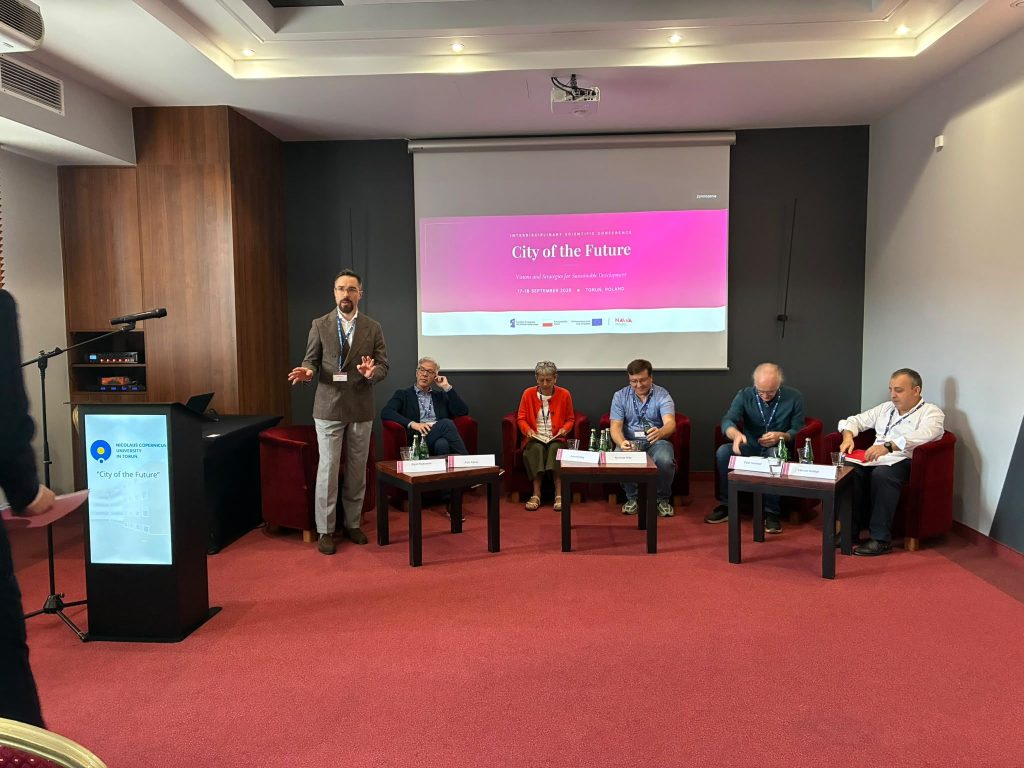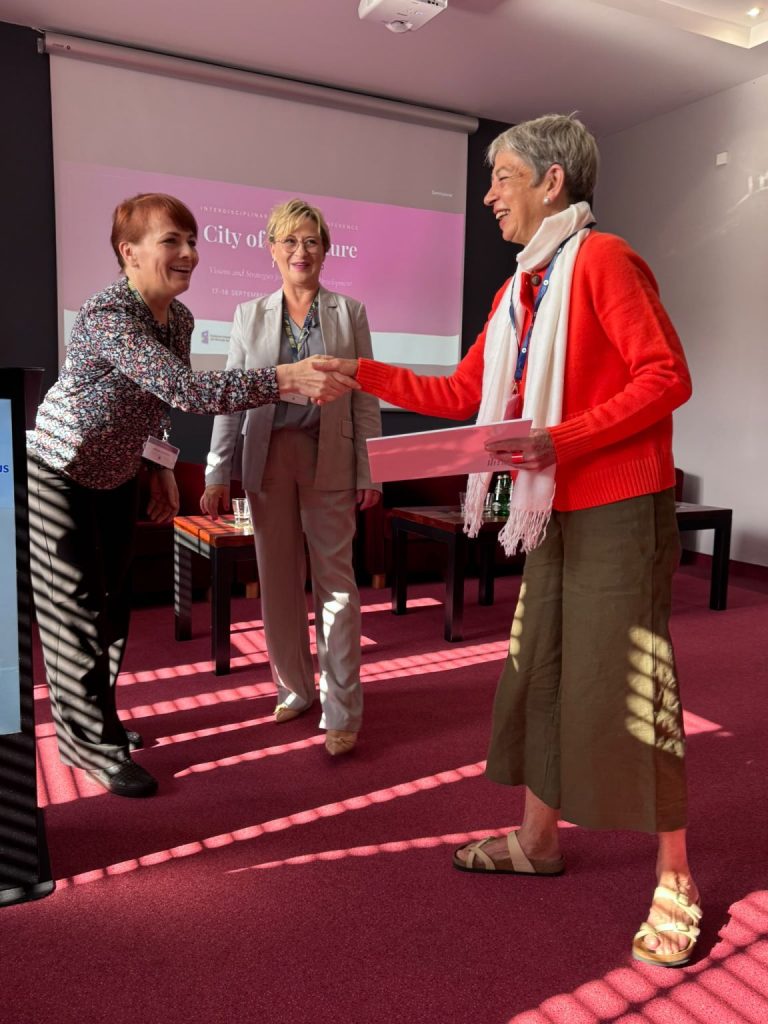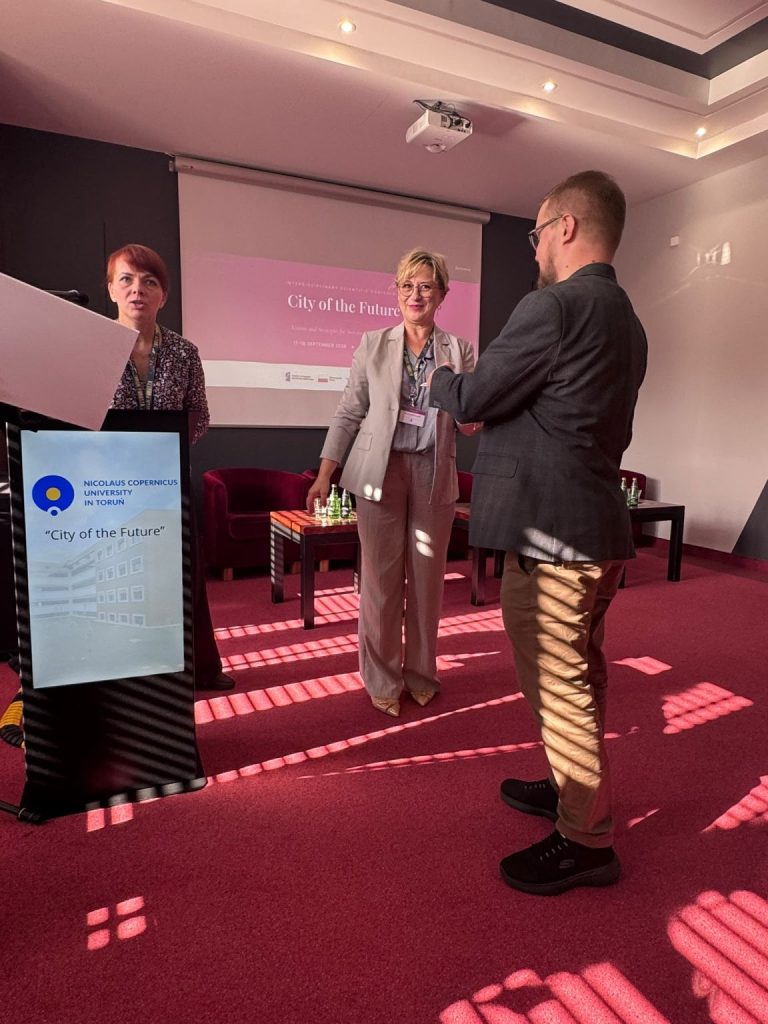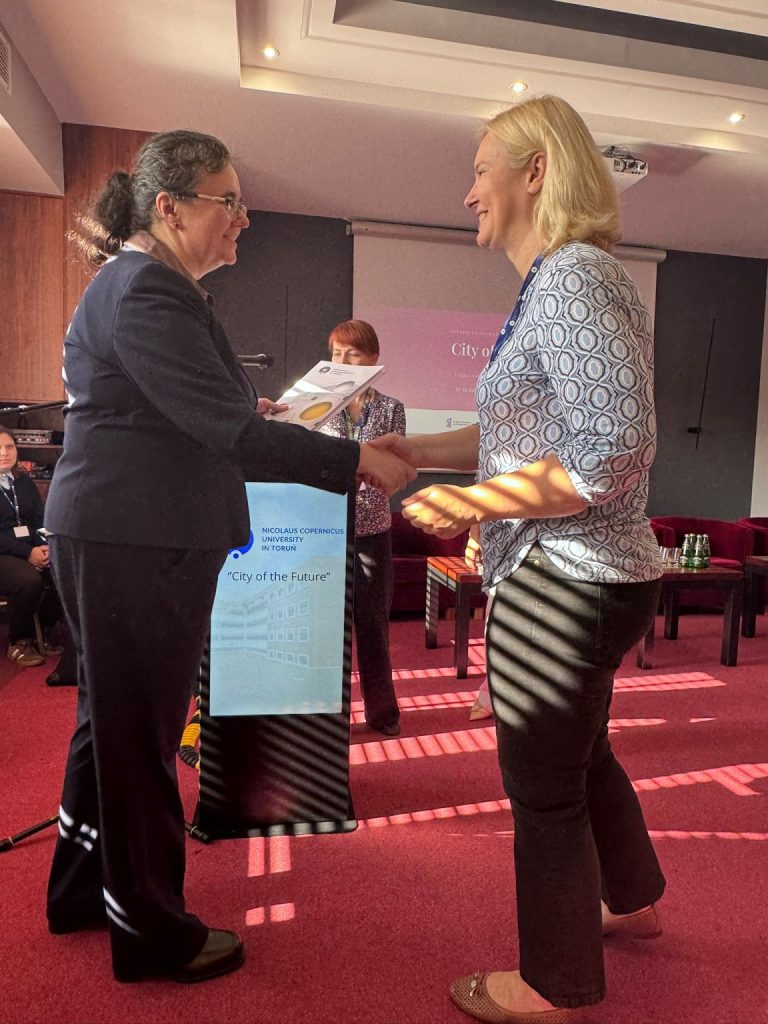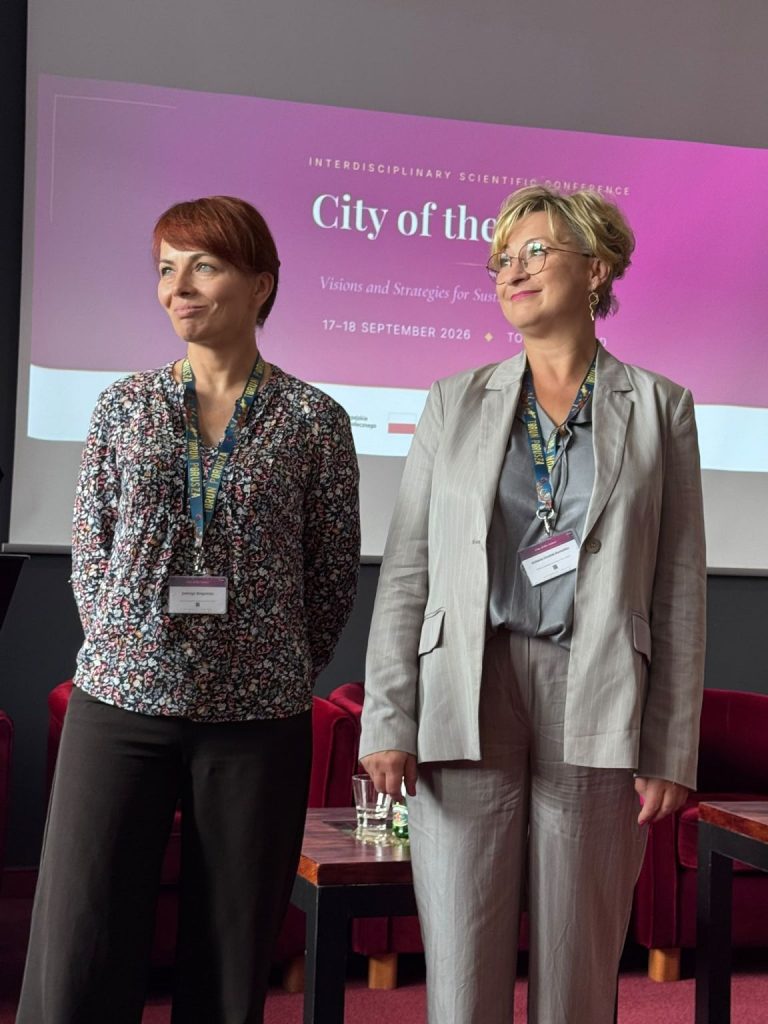


One of the key initiatives carried out at Nicolaus Copernicus University in Toruń as part of the “YUFE Connects” project, funded by the Polish National Agency for Academic Exchange (NAWA) under the “Support for European Universities” programme, was the international conference “City of the Future – Visions and Strategies for Sustainable Development.”
The starting point for the discussion was Urban Sustainability Studies, a joint degree programme launched within the YUFE Alliance. The conference provided an opportunity to broaden the discussion and explore the challenges facing contemporary cities and their residents.
What will the city of the future look like?
The rapid development of new technologies and artificial intelligence is taking place alongside the growing impact of the climate crisis, demographic change, migration, and the depopulation of some cities and urban areas.
Against this backdrop, participants explored a number of fundamental questions: How can we ensure sustainable and smart urban development? How can urban biodiversity and ecosystem services be protected? How should we design green spaces, mobility systems and urban regeneration processes? And, above all, how can we protect and improve residents’ quality of life throughout these transformations?
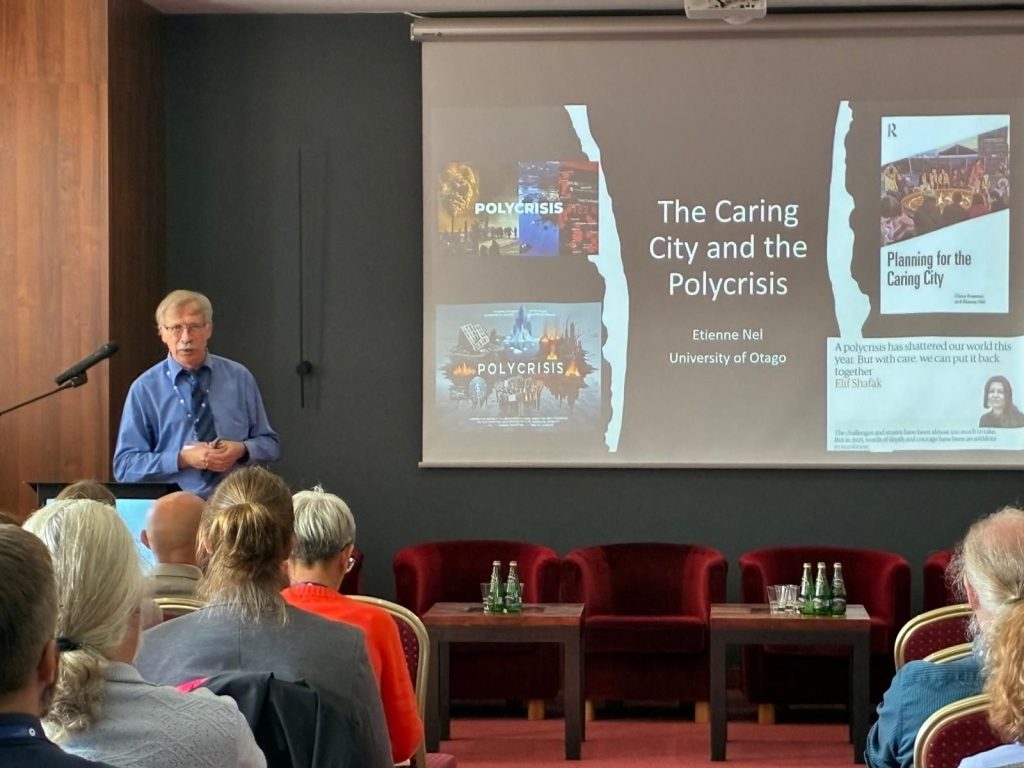
An important perspective was the concept of the Caring City – a city that places people, communities, resilience and inclusion at the centre of urban development. Nick Wise addressed urban regeneration in the context of environmental disasters, while Etienne Nel explored the Caring City as a response to the challenges of today’s polycrisis.
From university networks to shared solutions
The conference also highlighted the importance of interdisciplinary cooperation within European University alliances.
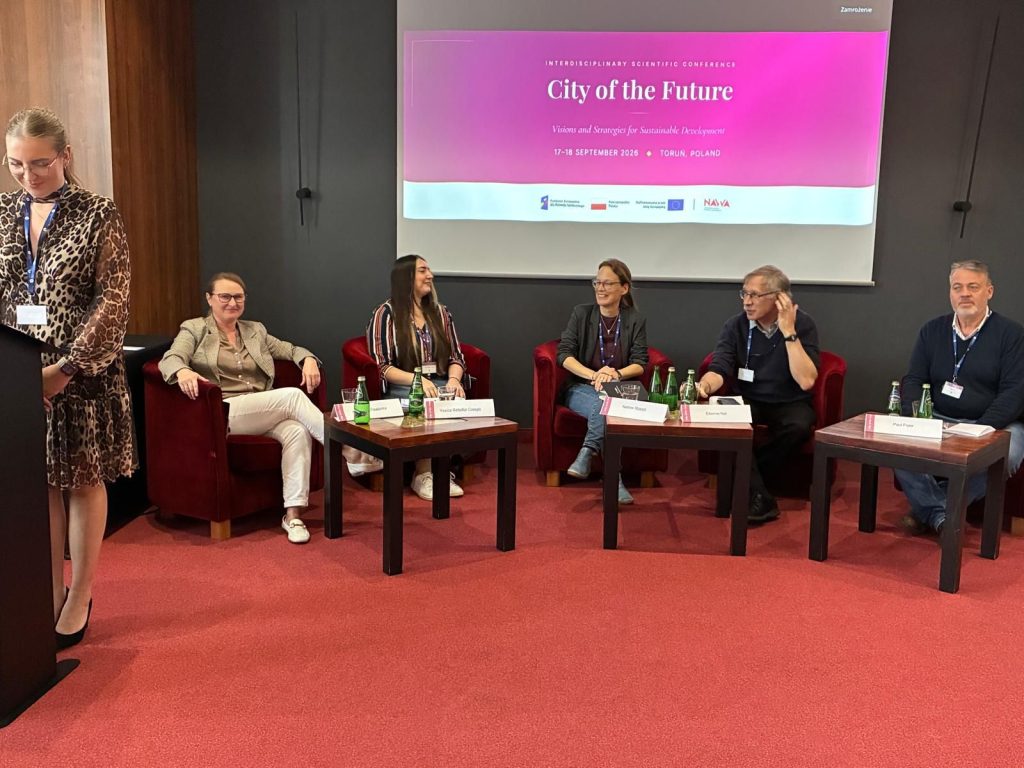
The panel “Interdisciplinary Cooperation in European University Networks” was moderated by Karol Mojkowski, YUFE Institutional Coordinator at Nicolaus Copernicus University. Katarzyna Pawlonka moderated the discussion “From Vision to Implementation: Future Steps in Networked Collaboration.”
Together, these sessions explored how European university networks can move beyond shared visions towards practical, interdisciplinary collaboration and the joint development of solutions to complex societal challenges.
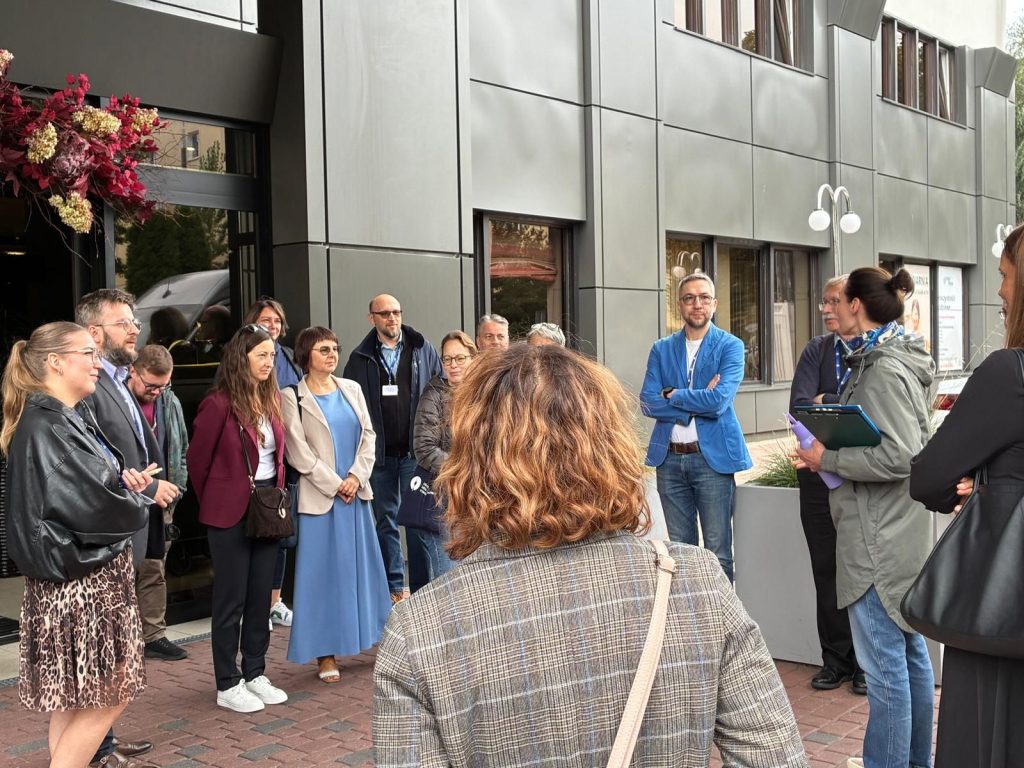
Toruń as an Urban Living Lab
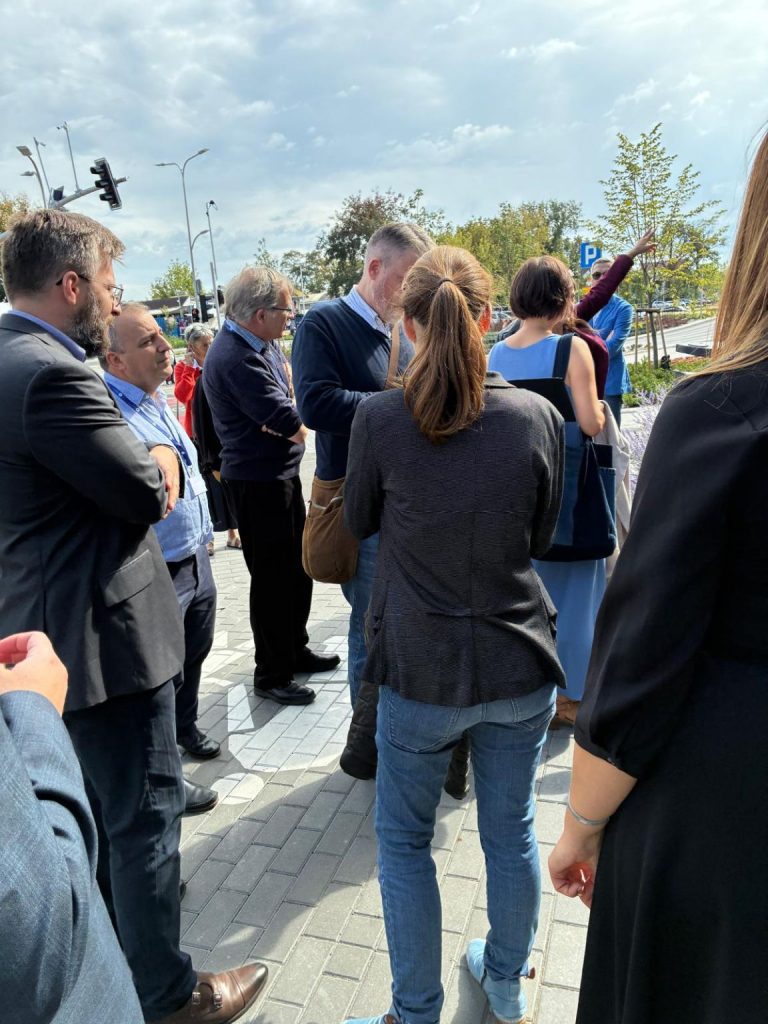
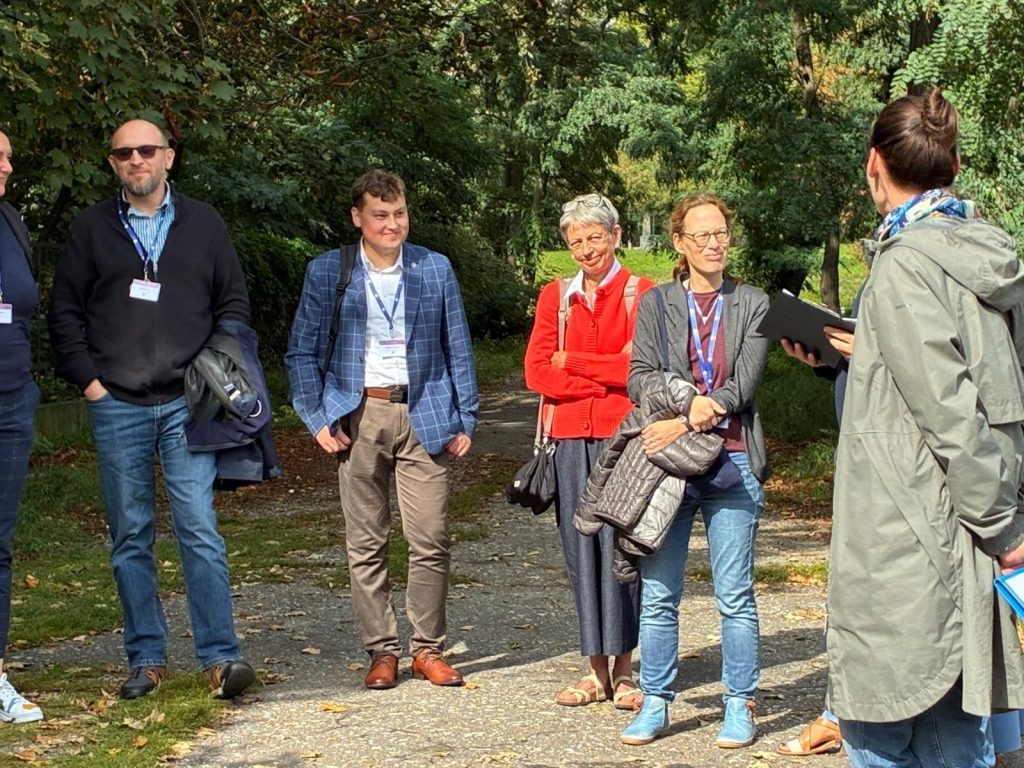
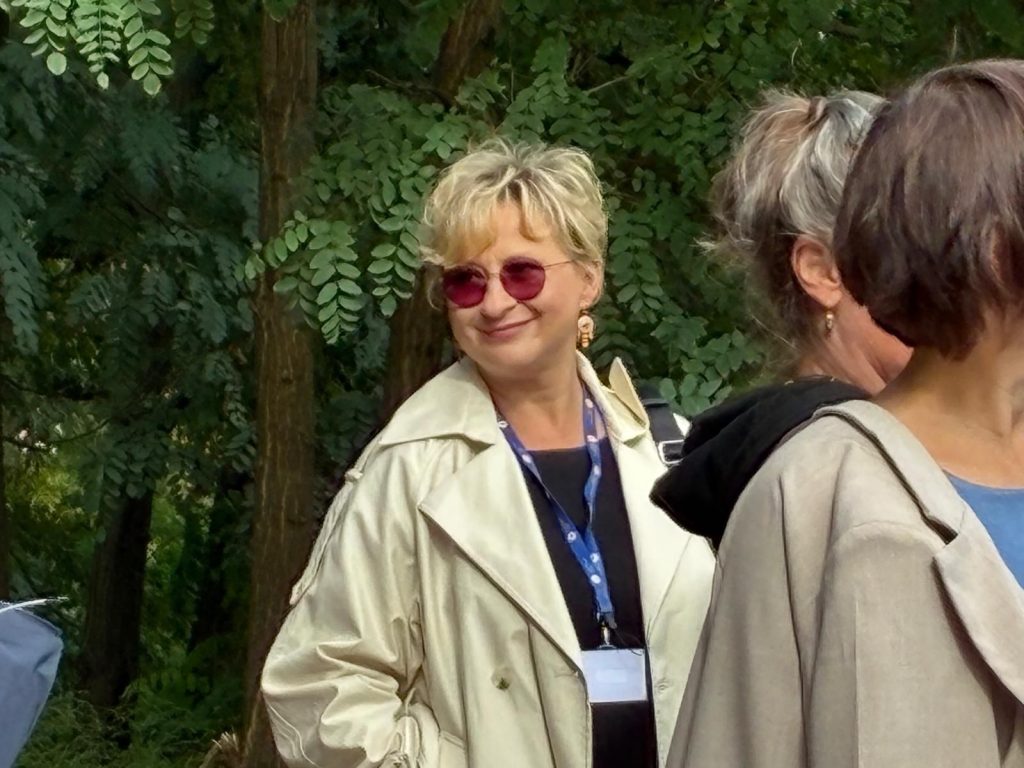
The Urban Living Lab added a practical dimension to the conference. Toruń itself became a space for experiencing, observing and reflecting on urban processes, bringing discussions about the future of cities into a real-life urban environment.
The conference demonstrated what European University alliances such as YUFE can and should be: platforms that connect people, disciplines and perspectives, facilitate the exchange of experience, help identify shared challenges and support the development of solutions.
This is at the heart of YUFE: connecting universities not simply to build networks, but to address challenges that no single university, discipline or city can solve alone.
Photo: M. Barwiołek [LinkedIn]